
THE FLOATING WORLD
How does your art practice and / or teaching pedagogy relate to the art worlds of contemporary youth?
I think that using ukiyo-e artists’ floating world is easily transitional to modern day graphic design and art just by looking at personal experiences. Yes, it may look vastly different in terms of production, outcome, and materials though, the concept and intent still remains.
So, when I look at my design practice and teaching philosophy, I see a ton of relevance to contemporary youth. This could completely be biased though, looking at lessons and concepts that I plan for, I always try to fit in my students’ everyday lives.
I believe that the youth are who determine what is modern, what is contemporary and what is fresh. So, whether it’s music taste in their album redesign, or narrative zine that forces them to express their identity, students are brought into the modern art world just by bringing their interests into their work.
LESSON CONCEPT #1
Mapping the Contemporary Floating World
1. Assignment Connection
Visual Culture Mapping | Graphic Design & Identity Unit
2. Key Question
Where do contemporary youth experience their own “floating worlds,” and how can visual systems represent those spaces?
3. Primary Understanding & Learning Goals
Students will understand that ukiyo-e artists documented spaces of entertainment, social interaction, fantasy, and escape that existed alongside everyday life.
Students will investigate the digital and physical spaces that function as contemporary floating worlds, such as:
- TikTok
- Discord
- Roblox
- concerts
- conventions
- fandom spaces
- gaming communities
- social media feeds
Students will consider how these spaces influence identity, relationships, and self-expression.
4. Technical Objectives
Students will:
- Analyze ukiyo-e as visual documentation of cultural spaces.
- Use FontStruct as a pixel-based design tool rather than strictly a type-design tool.
- Create a system of custom glyphs, icons, and symbols representing their contemporary floating world.
- Construct a visual map or diagram of their cultural ecosystem.
5. Materials, Equipment, & Tools
- Computers
- FontStruct
- Sketchbooks
- Projector
- Research images
- Printer
6. Sequence of Activities
Day 1
Discussion:
What was the floating world in Edo Japan?
Students identify spaces where they spend time, build identity, seek entertainment, or connect with others.
Day 2
Students sketch symbols for:
- favorite platform
- fandom
- game
- music community
- hobby
- online persona
I demonstrate how FontStruct can be used to build modular visual symbols.
Day 3-4
Students create a library of glyphs in FontStruct. Instead of letters, each character slot becomes a visual icon.
Day 5
Students use the glyphs to create a large infographic-style map showing how their floating world functions.
7. Formative Assessment
- Sketchbook brainstorming
- Symbol iterations
- Instructor conferences
- Peer feedback discussing whether symbols effectively communicate cultural experiences
8. Artists
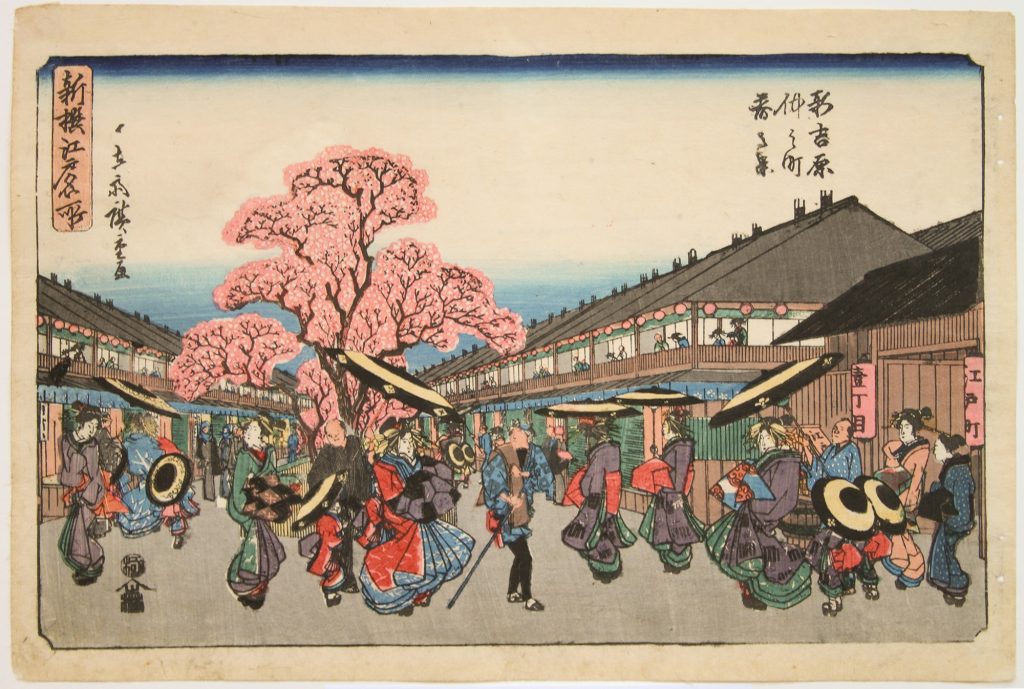
- Utagawa Hiroshige
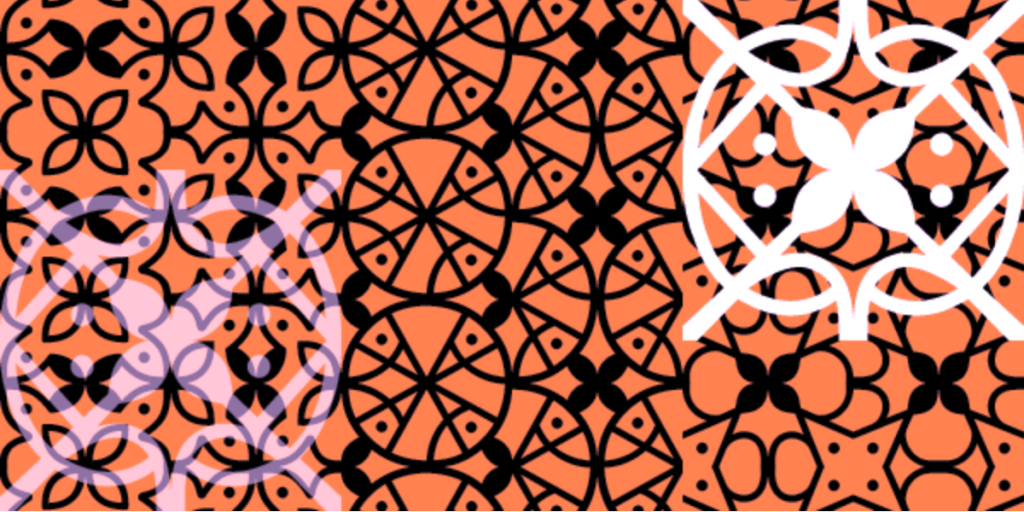
- Marian Bantjes
LESSON CONCEPT #2
Snapshots of the Floating World
1. Assignment Connection
Narrative Illustration | Zine Unit
2. Key Question
What moments from contemporary youth culture deserve to be documented as art?
3. Primary Understanding & Learning Goals
Students will understand that ukiyo-e did not primarily document kings, heroes, or major historical events.
Instead, artists recorded:
- entertainers
- fashion trends
- leisure activities
- daily routines
- fleeting moments
Students will examine how ordinary experiences can become significant cultural records.
4. Technical Objectives
Students will:
- Analyze visual storytelling in ukiyo-e.
- Develop observational drawing and composition skills.
- Create a series of illustrations documenting moments from their own floating world.
- Assemble images into a folded zine.
5. Materials, Equipment, & Tools
- Sketchbooks
- Ink pens
- Zine templates
- Printer
6. Sequence of Activities
Day 1
Analyze ukiyo-e prints depicting daily life.
Discussion:
What would future historians learn about Edo Japan from these images?
Day 2
Students create a list of moments from their own floating worlds:
- scrolling TikTok at midnight
- gaming with friends
- waiting in a concert line
- texting in a group chat
Day 3-5
Students create 4-6 illustrations documenting those moments.
Day 6
Students bind and share zines.
7. Formative Assessment
- Thumbnail sketches
- Artist statements
- Peer critiques focused on storytelling
8. Artists
- Katsushika Hokusai
- Utagawa Kuniyoshi
- Lynda Barry
LESSON CONCEPT #3
Selling the Floating World
1. Assignment Connection
Advertising & Visual Persuasion Unit
2. Key Question
How does popular culture persuade people to participate in particular lifestyles, communities, and identities?
3. Primary Understanding & Learning Goals
Students will understand that ukiyo-e prints were not simply artworks, they also functioned similarly to modern media.
They promoted:
- actors
- entertainers
- fashion
- tourism
- cultural trends
Students will investigate how contemporary visual culture markets lifestyles and identities through influencers, fandoms, brands, and entertainment.
4. Technical Objectives
Students will:
- Analyze persuasive visual strategies.
- Examine historical and contemporary examples of promotion.
- Design a poster advertising a contemporary floating world.
- Apply principles of hierarchy, color, composition, and audience awareness.
5. Materials, Equipment, & Tools
- Photoshop/Canva
- Printer
- Research materials
- Sketchbooks
6. Sequence of Activities
Day 1
Compare ukiyo-e actor prints with:
- influencer posts
- gaming advertisements
- concert promotions
- anime posters
Discussion:
What are these images selling?
Day 2
Students select a floating world they belong to.
Day 3-5
Students design promotional posters inviting viewers into that world.
Day 6
Class critique examining visual persuasion techniques.
7. Formative Assessment
- Research notes
- Thumbnail sketches
- Draft critiques
- Reflection writing
8. Artists
- Toshusai Sharaku
- Henri de Toulouse-Lautrec
- Takashi Murakami